
Heavy Compound Movements
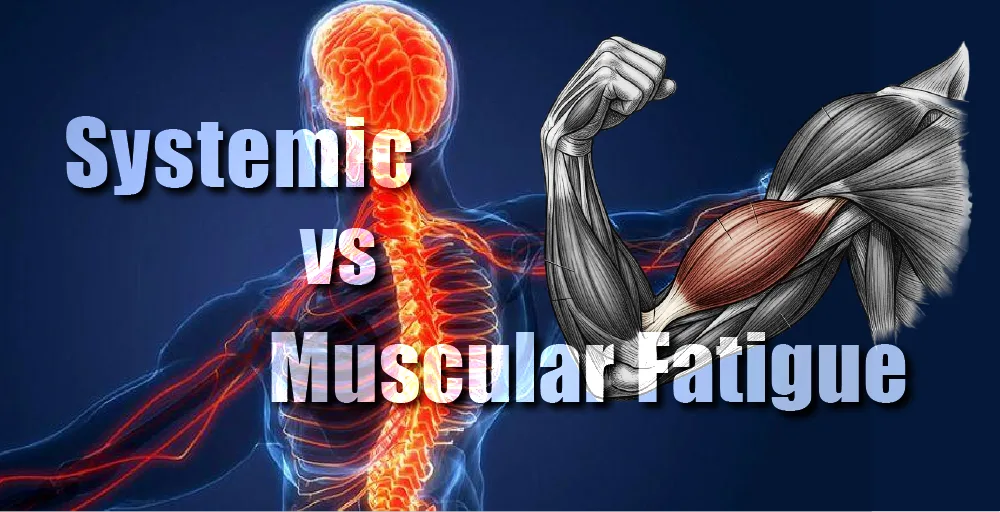
Heavy compound movements like squats, bent-over barbell rows, and various forms of bench press are fantastic for muscular development and they can be a double-edged sword. On the other end of the systemic load spectrum are single joint concentration movements like preacher curls or selector-ized machine leg extensions. I think the differences and the benefits of each are readily apparent. Think about the muscle burn you can get concentrated in your biceps alone with a preacher curl exercise vs. the systemic load of deep heavy barbell squats. My point here is that if you are working progressive overload in the way that you should, heavy deep barbell squats pushed to the limit may put you in performance-limiting systemic fatigue over a short period of time, maybe by themselves. (I hesitate to say/write that because John Q. Public probably is not training in the way they should and will use this as an excuse to be softer yet. I am addressing the Gen-X Elite. The rest of you who are relying upon multiple reps in reserve should just move along.)
Heavy Systemic Load
Your goal on barbell squats should be to get that burn in you quads, hams, and glutes like you do your biceps on high-rep preacher curls to failure. If you even approach that goal, you may pass out so have a 2-3 spotters to save you. Through the years, I think I wasted a lot of time and energy squatting 3-5 reps with 4 plates and more. Although that is the traditional way to do things I don’t think that did anything other than build my ego erroneously and put my joints in unwarranted jeopardy. I probably did the same thing with the hip sled, etc. What I have found to be much more beneficial is to put ~125% of bodyweight on the bar and do 25+ squats with no rest between reps. After 3-5 minutes (or more if needed) increase that to ~150% of bodyweight and do 10-15 with no rest between reps. (Work up to this) Other than your warmup to get safely to the point of that first working set, that might be your entire leg workout. After that, maybe you could gut out a set or two each on leg extensions and leg curls. Then again, doing so may or may not be beneficial depending upon the day and the state of your machine.
Compounding Heavy Systemic Loads
That high-rep moderately-heavy barbell deep (ass to grass) squat is probably a phenomenal workout but it is also going to put a heavy systemic load on your body, central nervous system, various skeletal muscle systems etc. Combining heavy systemic loads on other days in your split can compound the situation putting you into a overtraining and catabolic state. So for example, on you chest day you go to failure on your bench with heavy incline dumbbells to failure and heavier barbell incline bench to failure. Then on you back day you do something similar going to failure on weighted pullups, bent-over barbell rows, and the like. Similarly, you hit shoulders heavy and hard. You should do all of this but you also need to be aware of how that is effecting your goals. If you are sliding backwards in terms of energy, reps, weights, and/or strength you are probably overtraining your system and things need to change.
Lightening the Systemic Load
You can address that overtraining in a number of ways with rest and other things.
- Take more days off
- Eat better
- Rest more
- Take deload days (where you go lighter)
- Reconfigure your workouts
Dynamically Reconfiguring Your Workouts
Dynamically reconfiguring your workouts can include things like not going to failure on as many exercises or sets. Changing from heavy compound movements to single-joint movements on some body parts and exercises. For legs, I may do legs as specified above but only once or twice a month. Other than that, for leg days I might rely heavily on machines to lighten the systemic load. When I am doing back, I might be going so hard and heavy with rows that I am contributing to the overtraining of my glutes and hams. . This might not only be contributing to my systemic fatigue but also the muscular fatigue on the glutes and hams so I will adjust accordingly. In this case, I could move those to machines or chest-supported apparatuses. You are trying to optimize a complex machine in a dynamic environment. This is a example why programmed workouts in a vacuum can only take you so far.
Gen-X Elite | 1-on-1 Coaching | Executive Performance | Back in the Game | Strength for Life